
Dental veneers can improve the appearance of stained, chipped, uneven, or slightly spaced teeth, but there are several things to understand before choosing treatment. You should know how veneers work, whether your teeth and gums are healthy enough for treatment, what preparation may be needed, which material is suitable, and how to care for your veneers afterward. At Oakville Dental Care, patients can discuss their smile goals, treatment options, and concerns with a dental professional before deciding whether veneers are right for them.
Key Takeaways
Veneers can create a noticeable change, but they are not right for every patient. Understanding the treatment before you begin can help you make a confident and informed choice.
- Veneers cover the front surface of selected teeth.
- Healthy teeth and gums are important before treatment.
- Porcelain and composite veneers have different features.
- Some treatment requires removal of natural enamel.
- Good oral hygiene remains important after treatment.
- Your dentist can explain alternatives and long-term care.
1. Dental Veneers Are Mainly a Cosmetic Treatment
Dental veneers are thin coverings placed over the front surface of teeth to improve their appearance. They can change colour, shape, size, or overall look. Veneers may be considered for staining, chips, worn edges, minor gaps, or uneven tooth shapes. Treatment should also support a natural appearance that suits your facial features.
Veneers may help with several concerns:
- Deep or stubborn tooth stains
- Small chips or worn edges
- Uneven tooth shapes
- Minor spaces between teeth
Because veneers are mainly cosmetic, they do not replace regular dental care. Your natural teeth and gums still need daily attention.
2. Your Teeth Need an Examination First
Before choosing Oakville dental veneers, your dentist should check your teeth and gums. Cavities, gum disease, or damaged teeth may need treatment first. Placing a veneer over an unhealthy tooth could hide a problem and make future care harder. Your dentist may assess your bite, gums, existing fillings, and overall oral health. This helps determine whether veneers are suitable or whether another treatment may be better for your smile.
A healthy foundation is important because veneers do not prevent decay or gum disease. Your natural tooth remains underneath and around the restoration, so it still needs proper protection and regular dental care.
3. A Veneer Consultation Helps Set Clear Goals
A veneer consultation gives you and your dentist time to discuss your concerns, expectations, and treatment options. It is also a chance to learn what changes are realistic for your teeth. Your dentist can explain the planned result and discuss how veneers may affect your smile.
Before the appointment, think about what you want to improve, such as staining, a chipped edge, uneven teeth, or small spaces.
Useful questions include:
- Which teeth could benefit from veneers?
- How much preparation is needed?
- Which material may suit me?
- What alternatives should I consider?
- How will I care for my veneers?
Clear communication helps you understand the treatment before making a decision. A consultation is a good time to discuss your habits, past dental work, and any concerns about sensitivity. Sharing this information helps your dentist build a plan that considers both appearance and function. The more you understand the proposed treatment, the easier it is to decide whether the change is right for you personally.
4. Veneers May Involve Enamel Removal
Some traditional veneers require removal of a small amount of natural enamel so the restoration can fit properly. Because natural tooth structure may be changed, this treatment is generally considered irreversible. The amount of preparation varies between patients. Your dentist should explain what will be done and whether another option may require less alteration. This does not mean veneers are unsuitable. It means the decision should be made carefully. Knowing what treatment involves can help you weigh the benefits against the long-term commitment.
5. There Are Different Veneer Materials
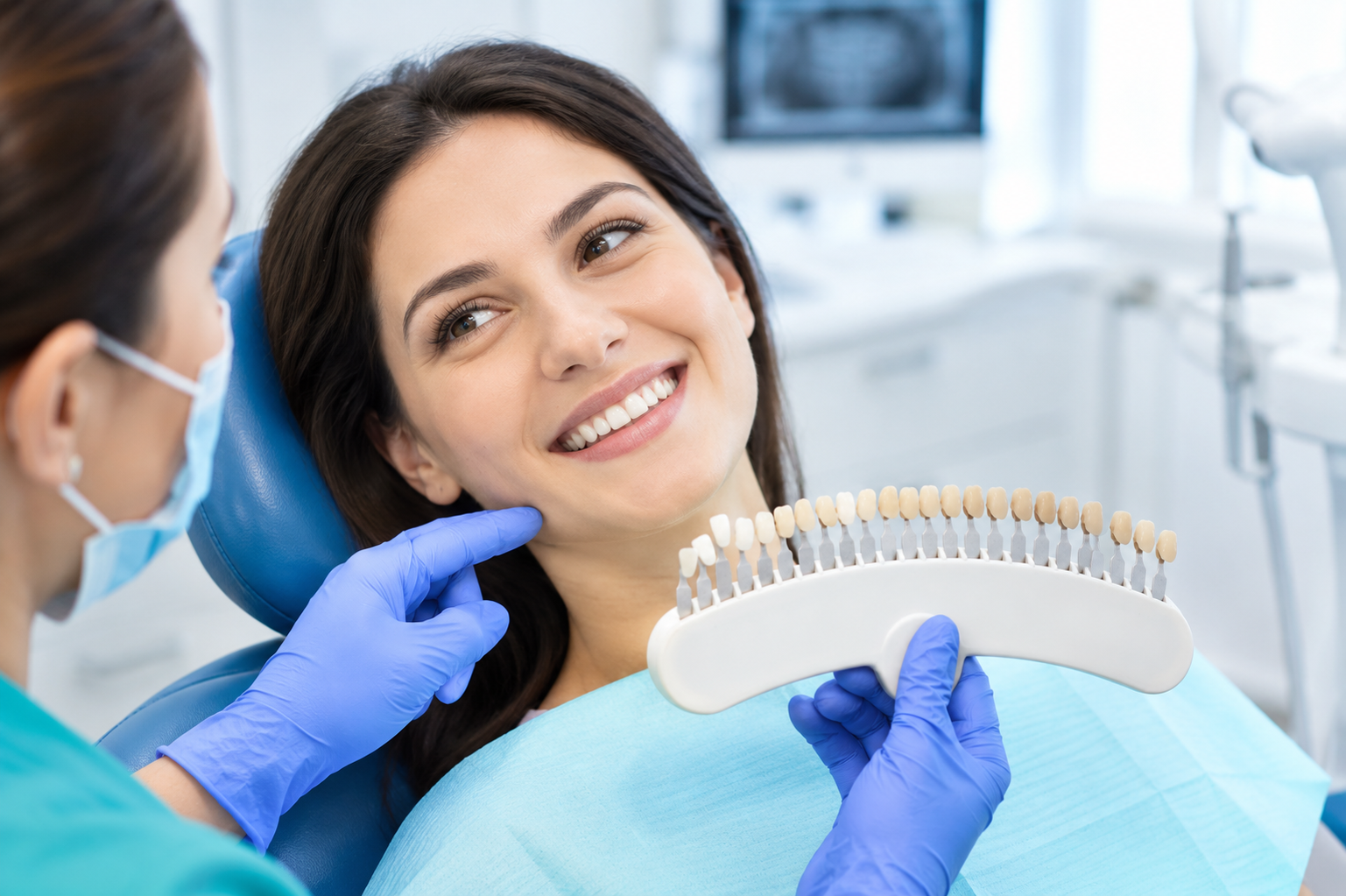
Veneers can be made from different materials, with porcelain and composite being common options. The choice depends on your smile goals, tooth condition, budget, and treatment plan. Porcelain veneers are custom-made and bonded to the teeth. Composite veneers use tooth-coloured resin that is applied and shaped directly on the tooth.
Your dentist may compare options based on:
- Appearance and shade
- Strength and expected wear
- Tooth preparation
- Repair needs
- Appointment requirements
- Overall cost
There is no single material that suits every patient. A professional assessment can help you understand the differences.
6. Natural-Looking Results Need Careful Planning
A successful cosmetic result is not simply about choosing the whitest shade. The size, shape, colour, and position of veneers should work with your facial features and existing teeth. Your dentist may consider your smile line, gums, bite, and nearby teeth when planning treatment. Shade selection is especially important. A very bright shade may not always create the natural result you expect. Discuss the type of smile you prefer during your appointment. You can also bring examples of smiles you like to help explain your goals. Good planning can help the final result look balanced rather than artificial. Your treatment should be designed for your individual features instead of following a standard template.
7. The Treatment Process Requires Planning
Getting veneers may take more than one appointment. The process depends on the number of teeth, chosen material, and preparation required. Your dentist should explain each stage.
A typical process may include:
- An oral examination and treatment plan
- Discussion of colour and tooth shape
- Tooth preparation when needed
- Impressions or digital scans
- Veneer creation or direct application
- Final fitting, bonding, and adjustments
Some patients may receive temporary veneers while permanent restorations are prepared. At the final appointment, your dentist checks the fit, appearance, and bite before bonding them.
8. Veneers Do Not Move Teeth
Veneers can make teeth look more even, but they do not move teeth. If you have significant crowding, spacing, or bite concerns, orthodontic treatment may be more suitable. This difference matters when considering cosmetic dentistry. Veneers change appearance, while orthodontic treatment changes tooth position. Orthodontic care may sometimes be recommended first.
The right approach depends on your dental condition and goals. Ask whether veneers address the underlying concern or only change its appearance.
9. Daily Oral Hygiene Still Matters
Veneers can improve your smile, but they do not make your mouth immune to dental problems. Natural teeth beneath and around them still need proper care. Brush twice daily with fluoride toothpaste and clean between your teeth every day. Regular dental visits also help your dentist check your gums, bite, veneers, and surrounding teeth. Avoid using your teeth as tools. Biting hard objects can damage natural teeth and veneers. If you grind or clench, tell your dentist because a protective night guard may help. Simple daily habits can help protect your investment.
10. Veneers Need Long-Term Care
Veneers can provide lasting cosmetic improvement, but they are not permanent. They can chip, crack, loosen, or wear over time. Lifespan depends on material, bite, oral habits, and home care. When considering veneers cost in Oakville, it is also important to think about long-term maintenance and potential replacement costs.
Follow your dentist’s care instructions. Regular checkups allow your dental team to monitor veneers and identify concerns early.
Try to avoid habits such as:
- Chewing ice
- Biting pens or hard objects
- Opening packages with your teeth
- Ignoring changes in your bite
- Skipping regular dental visits
If a veneer becomes loose, damaged, or uncomfortable, contact your dental office rather than attempting to repair it yourself.
What Should You Discuss Before Treatment?
Before treatment, your appointment should give you time to understand your options. Your dentist may review your history, examine your teeth and gums, and discuss your cosmetic concerns.
Consider discussing these points:
- The recommended veneer material
- The amount of tooth preparation
- The expected appearance
- Treatment alternatives
- Care and maintenance
- Possible future repairs or replacement
Being informed can help you feel more comfortable with your decision. Ask for clarification whenever a part of the treatment is unclear.
Are Dental Veneers Right for You?
Good candidates generally have good oral health and realistic expectations. However, candidacy is individual, so your dentist needs to examine your teeth first.
Veneers may be worth discussing if you are concerned about:
- Persistent cosmetic staining
- Small chips or worn edges
- Uneven tooth shapes
- Minor gaps
- Cosmetic issues that do not respond well to whitening
Untreated decay, gum disease, some bite problems, or habits that place heavy pressure on teeth may need attention first. These issues should be managed before veneers are considered.
Final Thoughts on Dental Veneers
Dental veneers can improve teeth affected by stains, chips, gaps, or uneven shapes. However, choosing veneers involves more than wanting a different smile. Understand the treatment process, materials, preparation, maintenance, and alternatives. A dental assessment can help you decide whether veneers fit your oral health and cosmetic goals. At Oakville Dental Care, a dental professional can help you understand your choices and plan treatment around your needs. Learn more about veneers in the American Dental Association’s patient guide, then discuss what you learn with your dentist. If you are considering veneers, contact Oakville Dental Care today to schedule a consultation and discuss your smile goals.
FAQs
How long do veneers usually last?
With proper care, veneers can last for many years. Their lifespan depends on the material, oral habits, bite, and daily care.
Can veneers fix small gaps?
Yes. Veneers may improve the appearance of minor gaps between teeth. Your dentist can determine whether they are suitable for your specific case.
Will veneers look like natural teeth?
Well-planned veneers can be designed to match your smile, facial features, and surrounding teeth for a natural appearance.
Can I eat normally with veneers?
Most people can eat normally after treatment. However, avoiding very hard foods and objects can help protect the veneers from damage.
Can veneers become stained?
Porcelain veneers are resistant to staining, but the surrounding natural teeth can still change colour. Good oral hygiene helps maintain a balanced smile.