

Dental care has changed significantly in recent years. One of the most helpful developments for patients is the introduction of CEREC technology Oakville, which allows dentists to design and place dental crowns in a single appointment. This approach uses advanced digital tools to create highly precise restorations while eliminating many steps involved in traditional crown procedures. Within modern Oakville Dental Care, this technology has become an important solution for patients who want efficient and accurate treatment.
For busy professionals and families, time is valuable. Traditional dental restorations often require multiple appointments, temporary crowns, and waiting periods. CEREC systems simplify the process and reduce inconvenience while maintaining excellent clinical results. Understanding how this technology works helps patients feel more confident when exploring treatment options for damaged or weakened teeth.
Understanding CEREC Technology in Modern Dentistry
CEREC stands for Chairside Economical Restoration of Esthetic Ceramics. It is a system that uses digital scanning, computer aided design, and on site milling to create dental restorations.
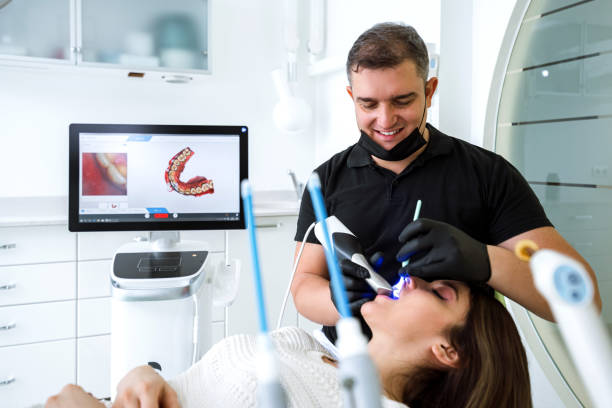
With CEREC technology Oakville, dentists capture a digital impression of the patient’s tooth using a specialized camera. The image appears instantly on a computer screen where the dentist designs the restoration with precision. Once the design is complete, the system mills the crown from a block of ceramic material.
This entire process often takes less than two hours. As a result, patients can receive a permanent crown during a single visit rather than returning for multiple appointments.
This integration of CAD CAM crowns represents a major shift in dental efficiency and comfort.
The Traditional Crown Process vs CEREC
Before digital dentistry became common, getting a crown was usually a two visit process. The first appointment involved preparing the tooth and taking physical impressions. Those impressions were sent to a dental laboratory where technicians fabricated the crown.
During the waiting period, patients wore temporary crowns that could sometimes feel uncomfortable or unstable. After one or two weeks, the patient returned for the final placement.
In comparison, CEREC technology Oakville eliminates several steps.
The dentist scans the prepared tooth digitally instead of using traditional impression material. The restoration design happens immediately using computer software. A milling unit located inside the clinic then produces the crown while the patient waits.
Because the crown is completed on site, there is no need for temporary restorations or additional appointments.
Faster Treatment for Busy Schedules
One of the main advantages of CEREC systems is time efficiency. Many people struggle to schedule multiple dental visits due to work commitments, family responsibilities, or travel.
Single visit crown technology simplifies the treatment timeline. Instead of spreading the process across several appointments, the entire restoration can often be completed in one visit.
For example, a patient with a cracked tooth may arrive in the morning and leave with a fully restored smile the same day.
This convenience makes CEREC technology Oakville especially appealing to professionals who prefer efficient healthcare solutions.
Improved Comfort with Digital Dental Impressions
Traditional dental impressions can be uncomfortable for many patients. The process involves placing thick impression material in the mouth and waiting for it to harden.
Some patients experience gag reflex issues or discomfort during this step.
Digital scanning offers a much more comfortable alternative. A small handheld camera captures detailed images of the teeth and gums. The system then converts those images into a precise 3D model.
Digital dental impressions are faster and cleaner. In addition, they reduce the chances of distortion that sometimes occurs with traditional impression materials.
Because of these advantages, many patients find modern dental technology easier to tolerate.
Precision and Accuracy in Crown Design
Accuracy plays an important role in long term dental restorations. A crown that fits poorly can lead to discomfort, bite problems, or additional dental work.
CEREC systems rely on advanced imaging and software to design restorations that match the natural shape of the tooth. The digital model allows the dentist to evaluate contact points, alignment, and bite balance before the crown is produced.
Once the design is finalized, the milling machine carves the crown from a ceramic block with high precision.
The result is a restoration that fits comfortably and blends with surrounding teeth. This level of accuracy is one reason CAD CAM crowns have become widely used in modern dental practices.
Durable and Natural Looking Materials
CEREC crowns are typically made from strong ceramic materials that closely resemble natural tooth enamel. These materials reflect light in a similar way to real teeth, which helps maintain a natural appearance.
Ceramic crowns are also resistant to staining and wear. When properly maintained with good oral hygiene and regular dental visits, they can last many years.
In addition, ceramic restorations are biocompatible. This means they interact well with gum tissue and surrounding structures.
Patients who want durable and aesthetically pleasing restorations often appreciate the benefits of these materials.
Reduced Risk of Temporary Crown Problems
Temporary crowns are sometimes necessary in traditional treatments. However, they can create minor complications for some patients.
Temporary restorations may loosen or break before the final crown is ready. They can also cause sensitivity or discomfort when chewing.
Since CEREC technology Oakville allows dentists to produce the final crown immediately, temporary restorations are usually unnecessary.
Removing this step helps simplify treatment and reduces the chance of unexpected issues between appointments.
How Digital Dentistry Improves Patient Experience
Digital dentistry is not only about speed. It also improves communication between dentists and patients.
For instance, patients can often see the digital model of their teeth during the appointment. This visual explanation helps them understand the treatment process and see how the restoration will fit.
Clear communication builds trust and allows patients to feel more involved in their care decisions.
Modern dental technology Oakville clinics use continues to evolve. Tools like digital imaging, computer guided restoration design, and precise milling machines all contribute to better treatment outcomes.
When CEREC Crowns Are Recommended
CEREC crowns are commonly used in several situations.
They can restore teeth that are cracked or severely worn. They are also helpful after root canal therapy, when the remaining tooth structure needs additional protection.
Dentists may recommend this treatment for broken fillings or large cavities where traditional fillings are no longer sufficient.
However, not every case is identical. A dentist evaluates factors such as bite alignment, tooth condition, and overall oral health before recommending the most appropriate restoration method.
What Patients Can Expect During the Procedure
A typical CEREC appointment begins with an examination and tooth preparation. The dentist removes damaged or decayed portions of the tooth and shapes it to support the new crown.
Next, a digital scanner captures images of the tooth. These images are used to create a 3D model inside specialized software.
The dentist designs the crown directly on the computer screen. Once the design is approved, the milling machine produces the restoration from a ceramic block.
After the crown is polished and adjusted, the dentist bonds it permanently to the tooth.
The entire process usually occurs during one visit, which is the key advantage of CEREC technology Oakville treatments.
The Future of Dental Restoration Technology
Dental innovation continues to progress rapidly. Technologies like 3D imaging, artificial intelligence assisted design, and improved ceramic materials are shaping the future of restorative care.
CEREC systems represent an early example of how digital tools can transform everyday dental treatments.
As these technologies continue to evolve, patients will likely experience even greater efficiency, accuracy, and comfort in restorative procedures.
Conclusion
Modern dental care focuses on efficiency, comfort, and precision. CEREC technology Oakville demonstrates how digital tools can simplify complex procedures while maintaining high quality results.
By combining digital scanning, computer aided design, and on site milling, dentists can create crowns in a single visit. This approach reduces waiting times, eliminates temporary restorations, and improves overall convenience for patients.
For individuals who value efficient healthcare and reliable results, CEREC systems represent a significant advancement in restorative dentistry. If you want to learn more about the professionals behind modern treatments, you can also Meet Our Team to understand the experience and expertise that support quality dental care.
Frequently Asked Questions
How long does a CEREC crown appointment take?
Most appointments take about one to two hours. The crown is designed, milled, and placed during the same visit.
Are CEREC crowns durable?
Yes. Ceramic crowns created using CAD CAM technology are strong and designed to last many years with proper care.
Is the procedure painful?
The procedure is similar to traditional crown preparation. Dentists typically use local anesthesia to ensure patient comfort.
Are digital dental impressions better than traditional impressions?
Digital impressions are faster and often more comfortable. They also provide detailed images that improve accuracy during crown design.